

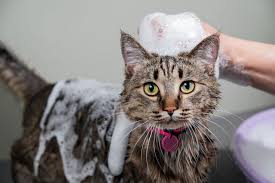
Cats are often seen as independent animals that can take care of themselves, and to a certain extent, that is true. Many cats spend a significant portion of their day grooming themselves, cleaning their fur, and maintaining personal hygiene. However, as a responsible cat owner, understanding and participating in your cat’s grooming routine is essential. Grooming is not just about keeping your cat looking good—it plays a crucial role in their overall health, hygiene, and comfort. In this article, we will explore everything you need to know about cat grooming, from techniques and tools to health benefits and common challenges.
Why Cat Grooming Is Important
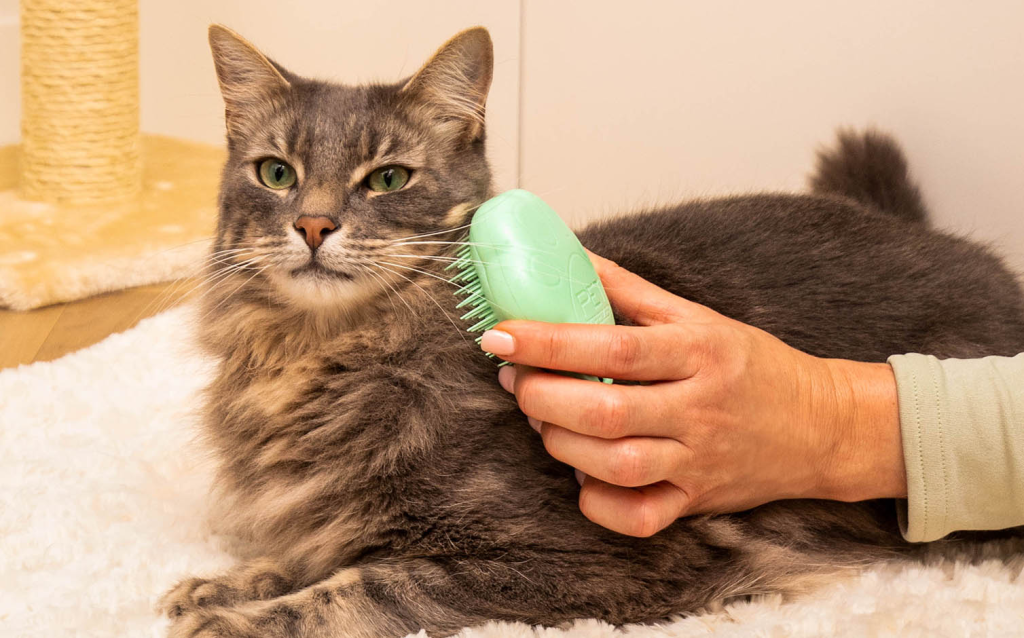
Cats are naturally clean animals. They use their tongues, which are covered in tiny, hook-like structures, to comb through their fur and remove loose hair and dirt. Despite this, regular grooming by a human caregiver offers multiple benefits:
- Reduces Hairballs: Hairballs form when a cat ingests loose hair during self-grooming. Regular brushing removes loose hair before it can be swallowed, reducing the frequency of hairballs.
- Maintains Healthy Skin and Coat: Grooming stimulates natural oil production in the skin, keeping the coat shiny, soft, and healthy. It also helps distribute these oils evenly across the fur.
- Prevents Mats and Tangles: Long-haired cats are especially prone to mats, which can be painful and lead to skin infections if not addressed promptly.
- Monitors Health: Grooming sessions allow you to check your cat for signs of fleas, ticks, wounds, skin problems, or abnormal lumps. Early detection can prevent serious health issues.
- Strengthens Bonding: Regular grooming provides a chance for you to bond with your cat, building trust and reducing stress for both of you.
Grooming Tools You Need
Having the right tools makes the grooming process smoother and more effective. Depending on your cat’s coat type, you may need some or all of the following:
- Brushes: There are several types of brushes available. Slicker brushes are great for removing loose hair and tangles, while bristle brushes help distribute natural oils and add shine. For long-haired cats, a comb with wide and fine teeth can help prevent mats.
- Nail Clippers: Regular nail trimming prevents overgrowth and reduces the risk of scratches. There are specialized cat nail clippers available that are safe and easy to use.
- Grooming Gloves: These gloves allow you to pet your cat while removing loose fur, which is ideal for cats that dislike traditional brushes.
- Shampoo and Wipes: While most cats do not need frequent baths, cat-specific shampoo or grooming wipes can help if your cat gets particularly dirty or has a skin condition.
- Ear and Eye Care Items: Cotton balls, soft cloths, or special wipes can help keep your cat’s eyes and ears clean and free from debris.
How to Groom Your Cat
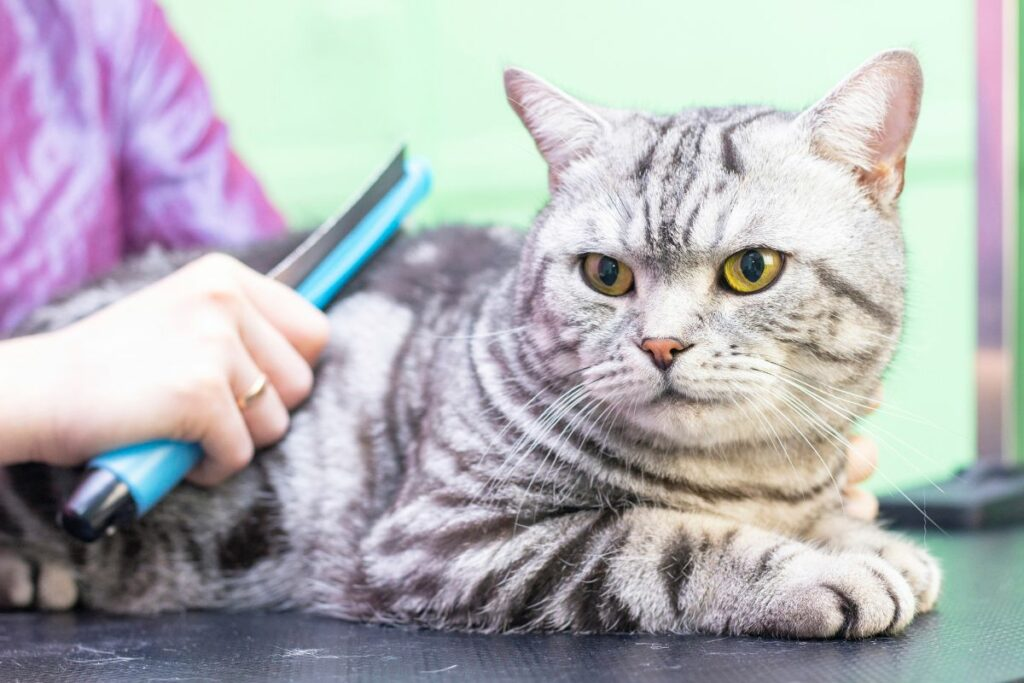
Brushing
Brushing is the most important part of cat grooming. The frequency and technique depend on your cat’s coat type:
- Short-haired Cats: Brush at least once a week. Use a soft bristle brush or grooming glove to remove loose hairs and stimulate the skin.
- Long-haired Cats: Brush daily to prevent tangles and mats. Start from the head and work your way down, using a comb to gently separate any knots. Always be gentle to avoid hurting your cat.
When brushing, pay attention to areas that tend to mat easily, such as behind the ears, under the armpits, and around the belly.
Bathing
Cats generally do not require frequent baths, as they are adept at self-cleaning. Bathing should only be done if:
- Your cat is extremely dirty or has gotten into something sticky or toxic.
- Your cat has a skin condition that requires medicated shampoo.
- Your cat is unable to groom itself properly due to obesity, age, or illness.
Always use cat-specific shampoo and lukewarm water. Keep the bathing area calm and quiet, and rinse thoroughly to remove all soap residues. Dry your cat gently with a towel and ensure it stays warm.
Nail Trimming
Cat nails grow continuously and can become sharp and uncomfortable. Regular trimming prevents damage to furniture, skin, and even the cat itself.
- Trim nails every 1-2 weeks.
- Use a proper cat nail clipper and only cut the transparent tip, avoiding the pink part called the “quick,” which contains nerves and blood vessels.
- If your cat resists, try trimming one or two nails at a time or use a grooming glove to gradually get them accustomed to handling.
Ear and Eye Care
Ears and eyes are sensitive areas that require careful attention:
- Ears: Check weekly for dirt, wax buildup, or signs of infection such as redness or odor. Use a cotton ball or soft cloth moistened with a cat-safe solution to clean the outer ear gently.
- Eyes: Wipe away discharge or tear stains using a damp, soft cloth. Persistent discharge may indicate an underlying health problem.
Dental Hygiene
Dental care is an often-overlooked part of grooming. Plaque and tartar buildup can lead to gum disease, tooth loss, and systemic health problems. Brushing your cat’s teeth regularly with a cat-specific toothbrush and toothpaste helps maintain oral health.
Special Considerations for Different Cat Types
Different breeds and ages require unique grooming approaches:
- Long-Haired Breeds: Persian, Maine Coon, and Himalayan cats need daily brushing to prevent tangles and mats. Occasional professional grooming may be necessary.
- Short-Haired Breeds: Domestic shorthairs and Siamese cats require less frequent brushing but still benefit from weekly sessions.
- Senior Cats: Older cats may have difficulty grooming themselves due to arthritis or dental problems. Extra attention is required to keep them clean and comfortable.
- Kittens: Start grooming habits early to help them get used to the process. Use gentle brushes and short sessions to avoid stress.
Common Grooming Challenges
Grooming cats is not always easy. Many cats are sensitive, fearful, or simply dislike being handled. Here are some common challenges and tips to overcome them:
- Fear and Anxiety: Use calm tones, gentle strokes, and short sessions. Positive reinforcement with treats can help.
- Aggression: If your cat becomes aggressive, stop immediately and try again later. Never force grooming.
- Mats and Tangles: For severe mats, consider consulting a professional groomer to avoid hurting your cat.
- Hair Shedding: Regular brushing reduces shedding, but some cats naturally shed more due to seasonal changes or health issues.
Health Benefits of Grooming
Beyond cleanliness, grooming provides numerous health benefits:
- Skin Health: Regular brushing improves circulation and helps detect skin issues early.
- Parasite Control: Grooming makes it easier to spot fleas, ticks, or mites.
- Stress Reduction: Gentle grooming sessions can have a calming effect, reducing anxiety and promoting relaxation.
- Bonding: Grooming enhances your relationship with your cat, fostering trust and affection.
When to Seek Professional Help
Sometimes, despite your best efforts, professional grooming is necessary. Seek help if:
- Your cat has severe mats, tangles, or dirty fur that you cannot handle.
- Your cat shows signs of skin infection, excessive shedding, or unusual lumps.
- You are unsure about nail trimming or dental care.
Professional groomers are trained to handle even the most difficult cats safely and efficiently.
Conclusion
Cat grooming is an essential part of responsible pet care. It goes beyond aesthetics, contributing to your cat’s physical health, hygiene, and emotional well-being. By establishing a regular grooming routine, using appropriate tools, and being attentive to your cat’s individual needs, you can prevent common health issues, reduce stress, and strengthen the bond with your feline companion. Remember, every cat is unique, so patience, observation, and consistency are key to a successful grooming routine.
Grooming your cat is more than a task—it is a form of love and care that ensures your cat stays healthy, comfortable, and happy for years to come.
