


Dogs are more than just pets—they are family members. As responsible pet owners, ensuring their health and well-being is a top priority. While a balanced diet, regular exercise, and routine veterinary care are essential, dog supplements can play a significant role in supporting their overall health. From promoting joint mobility to boosting immunity, supplements can address various aspects of a dog’s life. In this article, we will explore the importance, types, benefits, and considerations of dog supplements.
Even with a well-balanced diet, some dogs may not get all the essential nutrients they need. Factors such as age, breed, activity level, and health conditions can influence nutritional requirements. Supplements are formulated to provide concentrated doses of vitamins, minerals, and other beneficial compounds that may be missing from regular food.
For instance, senior dogs often face joint issues, while puppies require nutrients for growth and development. Supplements help fill nutritional gaps, support bodily functions, and promote long-term health. They can be particularly beneficial for dogs with special health concerns, such as skin problems, digestive issues, or weak immunity.
Common Types of Dog Supplements

Dog supplements come in various forms and serve different purposes. Here are some of the most common types:
1. Joint Supplements
Joint health is a major concern, especially for large breeds or older dogs. Supplements containing glucosamine, chondroitin, and omega-3 fatty acids are often recommended to support cartilage health and reduce inflammation. These nutrients can help alleviate symptoms of arthritis, improve mobility, and enhance the overall quality of life for aging dogs.
2. Vitamins and Minerals
Just like humans, dogs need a range of vitamins and minerals to maintain their health. Multivitamin supplements can help fill nutritional gaps, ensuring dogs receive the necessary nutrients for proper growth, immune function, and energy levels. Common vitamins include A, C, D, and E, while minerals like calcium, phosphorus, and zinc are essential for bones, teeth, and overall metabolism.
3. Omega-3 Fatty Acids
Omega-3 fatty acids, commonly found in fish oil, are essential for maintaining a healthy coat, reducing inflammation, and supporting heart and brain function. Dogs with dry skin, allergies, or inflammatory conditions often benefit from omega-3 supplements, which can improve skin health, reduce shedding, and enhance coat shine.
4. Probiotics and Digestive Enzymes
Digestive health is crucial for nutrient absorption and overall wellness. Probiotics are live bacteria that promote a healthy gut microbiome, aiding digestion and strengthening immunity. Digestive enzymes help break down food more efficiently, preventing bloating, gas, or upset stomach. Dogs with sensitive stomachs or digestive disorders can benefit greatly from these supplements.
5. Antioxidants
Antioxidants help combat free radicals in the body, reducing oxidative stress and slowing the aging process. Supplements containing vitamins C and E, selenium, and other antioxidants support immune function and may reduce the risk of chronic diseases. Antioxidants are particularly useful for older dogs or those exposed to environmental stressors.
6. Specialty Supplements
Certain supplements are designed for specific needs, such as calming supplements for anxious dogs or immune-boosting formulas for dogs with chronic health conditions. Ingredients like chamomile, L-theanine, and CBD oil are sometimes used to promote relaxation and reduce stress. Always consult a veterinarian before using specialty supplements, as dosage and safety are critical.
Benefits of Dog Supplements
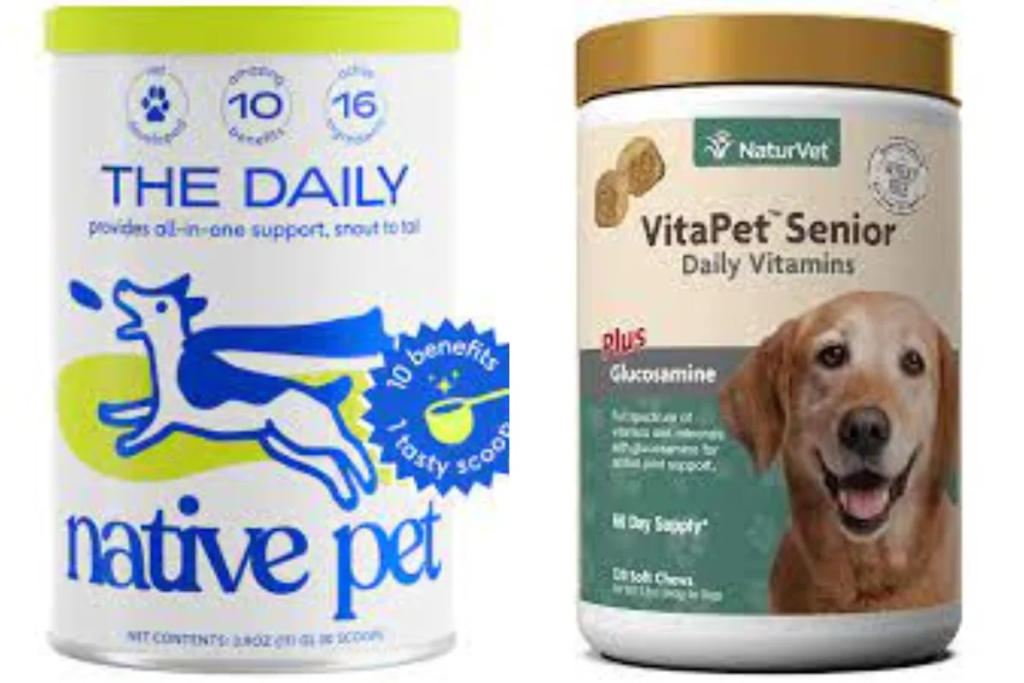
The right supplements can have multiple benefits, improving both the physical and mental health of your dog. Some of the key benefits include:
- Improved Joint Health: Supplements with glucosamine and chondroitin can reduce stiffness and inflammation in aging dogs or active breeds.
- Enhanced Immune System: Vitamins, minerals, and antioxidants help strengthen immunity, reducing the risk of infections and illnesses.
- Better Skin and Coat: Omega-3 fatty acids and other nutrients contribute to healthy skin, a shiny coat, and reduced shedding.
- Increased Energy and Vitality: Proper supplementation ensures dogs have the energy they need for daily activities and overall vitality.
- Digestive Support: Probiotics and enzymes aid in nutrient absorption, preventing digestive issues and promoting regular bowel movements.
Choosing the Right Supplement
Not all supplements are created equal. Choosing the right supplement for your dog requires careful consideration:
- Consult a Veterinarian: Always discuss your dog’s specific needs with a veterinarian before starting any supplement. They can recommend appropriate dosages and formulations based on your dog’s age, breed, and health status.
- Check Ingredients: Look for high-quality, natural ingredients. Avoid artificial additives, fillers, or unnecessary chemicals.
- Consider the Form: Supplements come in powders, chews, capsules, or liquids. Choose a form that is easy for your dog to take consistently.
- Monitor for Reactions: Introduce supplements gradually and observe your dog for any adverse reactions, such as allergies or digestive upset.
Potential Risks and Precautions
While supplements can provide significant benefits, overuse or improper supplementation can be harmful. Excessive doses of certain vitamins or minerals can lead to toxicity or health complications. For example, too much vitamin A can affect the liver, while excessive calcium can cause bone or kidney problems.
It is crucial to follow recommended dosages and avoid combining multiple supplements that provide the same nutrients, which can lead to over-supplementation. Regular check-ups with a veterinarian ensure your dog remains healthy while taking supplements.
Tips for Integrating Supplements into Your Dog’s Routine
Making supplements a part of your dog’s daily routine doesn’t have to be challenging. Here are some practical tips:
- Mix with Food: Many powdered or capsule supplements can be mixed with your dog’s regular food to make consumption easier.
- Use Treats: Some supplements come as chewable treats, which dogs often enjoy. This makes the process rewarding rather than stressful.
- Consistency is Key: Supplements work best when given consistently over time. Set a daily schedule to ensure your dog receives them regularly.
- Observe Results: Keep an eye on your dog’s health and behavior to see improvements or identify any potential side effects.
Natural Alternatives and Whole Foods
In addition to commercial supplements, certain whole foods can provide natural support for your dog’s health. For instance:
- Fish and Fish Oil: Rich in omega-3 fatty acids, supporting skin, coat, and joint health.
- Carrots and Sweet Potatoes: Excellent sources of vitamins and fiber for digestion and immunity.
- Pumpkin: Helps with digestive health and can soothe upset stomachs.
- Bone Broth: Supports joint health and provides collagen for connective tissue.
These foods can complement supplements, providing a holistic approach to nutrition.
Final Thoughts
Dog supplements can be a valuable tool in maintaining your pet’s health and well-being. When used correctly, they can support joint function, enhance immunity, improve digestion, and promote a healthy coat. However, it is essential to choose high-quality products, consult with a veterinarian, and monitor your dog for any adverse reactions.
Remember, supplements are not a replacement for a balanced diet, regular exercise, or veterinary care—they are an addition that can help your dog live a longer, healthier, and happier life. By understanding your dog’s unique needs and selecting the right supplements, you can provide comprehensive support that keeps your furry friend thriving.
