


Daily dog walks are one of the most important responsibilities of a dog owner. Walking your dog every day is not just about giving them a chance to relieve themselves; it plays a vital role in their physical health, mental stimulation, and emotional well-being. Regular walks help dogs stay active, balanced, and happy, while also strengthening the bond between dogs and their owners. In today’s busy world, many pet owners underestimate the importance of daily dog walks, but this simple routine can significantly improve a dog’s quality of life.
One of the biggest advantages of daily dog walks is improved physical health. Just like humans, dogs need regular exercise to maintain a healthy weight and prevent obesity. Obesity in dogs can lead to serious health problems such as heart disease, joint pain, diabetes, and a shorter lifespan. Daily walking helps burn calories, strengthens muscles, and improves cardiovascular health.
Walking also keeps a dog’s joints flexible and strong. This is especially important for larger breeds and older dogs who are more prone to arthritis and joint issues. Gentle, consistent walks help reduce stiffness and improve mobility. Puppies benefit too, as walking supports healthy growth and muscle development when done at an appropriate pace and duration.
Mental Stimulation and Emotional Well-Being
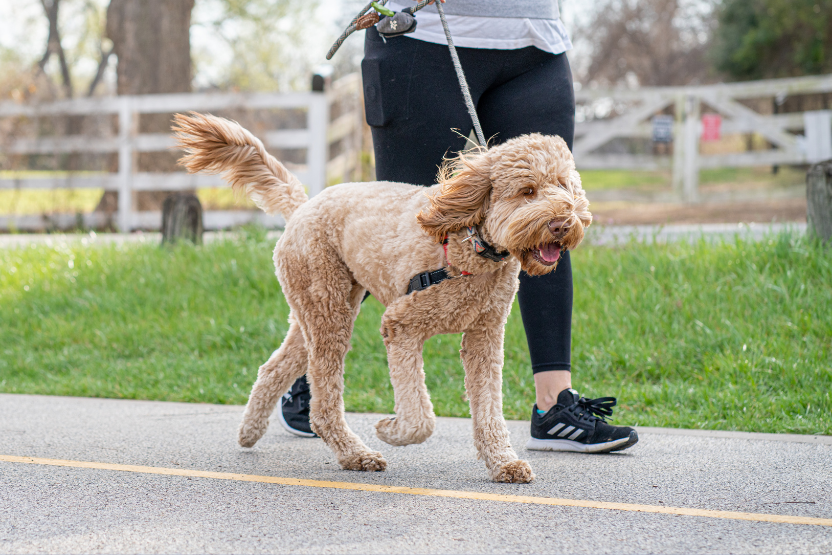
Daily dog walks are not only good for the body but also essential for a dog’s mind. Dogs experience the world through their senses, especially smell. During walks, dogs encounter new scents, sights, and sounds that stimulate their brains. This mental enrichment prevents boredom, which is a common cause of destructive behavior such as chewing furniture, excessive barking, or digging.
A bored dog can easily develop anxiety or depression. Regular walks give dogs a sense of routine and purpose, making them feel secure and content. The excitement of exploring the environment and interacting with the world helps reduce stress and improves overall mood. For many dogs, daily walks are the highlight of their day.
Behavior Improvement Through Regular Walks

Many behavioral problems in dogs are linked to a lack of exercise. Dogs that do not get enough physical and mental activity often release pent-up energy in unwanted ways. Daily dog walks help channel that energy in a positive direction.
Regular walks can reduce aggression, hyperactivity, and restlessness. Dogs that are walked daily tend to be calmer and more obedient at home. Walking also provides opportunities for basic training, such as leash manners, sitting at crossings, and responding to commands. Over time, this improves discipline and strengthens communication between the dog and the owner.
Strengthening the Bond Between Dog and Owner
Daily dog walks create valuable bonding time. Walking together allows owners to focus on their dogs without distractions. This shared activity builds trust and deepens the emotional connection between pet and owner. Dogs naturally look to their owners for guidance, and walking side by side reinforces leadership and companionship.
For owners, daily walks are also beneficial. They provide a chance to relax, enjoy fresh air, and reduce stress. Many people find that walking their dog helps them maintain a healthier lifestyle as well. This mutual benefit makes daily dog walks a rewarding experience for both.
Socialization Opportunities
Socialization is a critical part of a dog’s development, and daily dog walks offer the perfect opportunity for it. While walking, dogs may encounter other dogs, people, children, and different environments. These interactions help dogs learn how to behave appropriately in various situations.
Well-socialized dogs are generally more confident and less fearful. They are better at handling new experiences without becoming anxious or aggressive. Regular exposure to the outside world during daily walks helps dogs adapt to change and develop a balanced personality.
How Long Should Daily Dog Walks Be?
The ideal length of daily dog walks depends on the dog’s breed, age, size, and energy level. High-energy breeds such as Border Collies, Huskies, or Labradors require longer and more frequent walks. Smaller or less active breeds may need shorter walks but still benefit from daily outings.
Puppies should have shorter, controlled walks to avoid overexertion, while senior dogs may need slower and gentler walks. As a general rule, most dogs benefit from at least 30 minutes to an hour of walking per day, either in one session or divided into multiple walks.
The Importance of Consistency
Consistency is key when it comes to daily dog walks. Dogs thrive on routine, and walking them at similar times each day helps establish a sense of stability. Skipping walks frequently can lead to frustration and behavioral issues.
Even on busy days, short walks are better than none. Consistent walking reinforces good habits and keeps dogs physically and mentally balanced. Over time, dogs come to rely on this routine, which helps regulate their energy levels and behavior.
Safety Tips for Daily Dog Walks
Safety should always be a priority during daily dog walks. Using a proper leash and collar or harness ensures control and prevents accidents. Reflective gear is useful when walking early in the morning or at night.
Owners should be aware of weather conditions. In hot weather, walks should be shorter and scheduled during cooler parts of the day to avoid heat exhaustion. In cold weather, some dogs may need protective clothing. Always carry water for longer walks and watch for signs of fatigue.
Making Walks Enjoyable and Engaging
To keep daily dog walks enjoyable, variety is important. Changing routes occasionally exposes dogs to new environments and keeps walks interesting. Allowing dogs time to sniff and explore makes the walk more fulfilling for them.
Incorporating light training, games, or short breaks can also enhance the experience. Walks should not feel rushed; they should be a balance between exercise, exploration, and bonding.
Conclusion
Daily dog walks are an essential part of responsible dog ownership. They support physical health, mental stimulation, emotional balance, and good behavior. Regular walks strengthen the bond between dogs and their owners while providing opportunities for socialization and training. No matter the breed or age, every dog benefits from daily walks tailored to their needs.
By making daily dog walks a priority, owners can ensure their dogs lead happier, healthier, and more fulfilled lives. This simple daily habit has a lasting positive impact and is one of the best ways to show love and care for a canine companion.
