

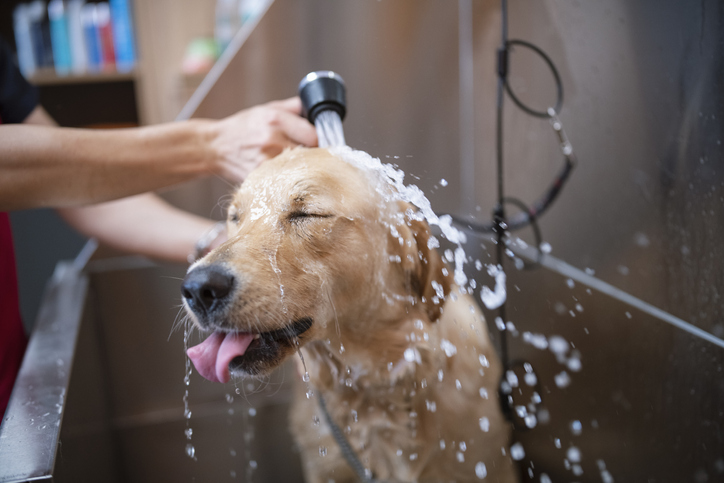
Dog grooming is much more than just keeping your furry friend looking good—it’s an essential part of their overall health and well-being. Proper grooming ensures that your dog stays comfortable, clean, and healthy. It also strengthens the bond between you and your pet. This article explores the importance of dog grooming, different grooming techniques, tools required, and tips for making the process stress-free for both you and your dog.
Why Dog Grooming is Important
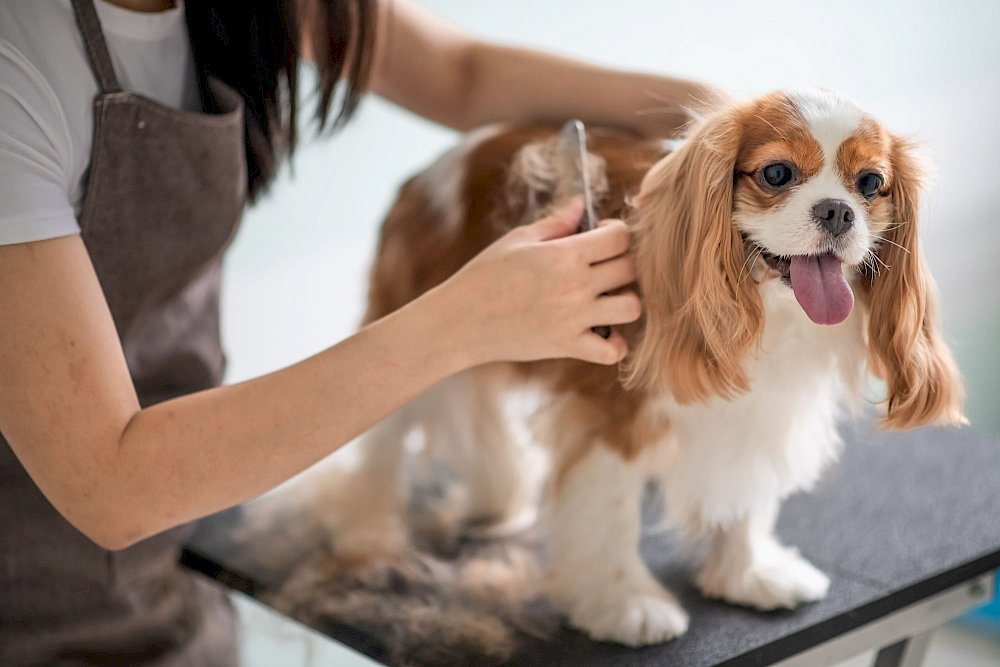
Regular grooming is vital for dogs of all breeds and ages. Here are some reasons why grooming should be a part of your pet care routine:
- Maintains Coat Health: Regular brushing removes dirt, debris, and loose hair from your dog’s coat. It prevents matting, tangles, and shedding, ensuring that your dog’s coat remains smooth and shiny. Certain breeds, especially long-haired dogs, require more frequent grooming to avoid mats that can cause discomfort or skin infections.
- Promotes Skin Health: Grooming allows you to monitor your dog’s skin for abnormalities like bumps, rashes, or parasites. Early detection of these issues can prevent more severe health problems. Bathing your dog with appropriate shampoos helps maintain a clean, healthy skin barrier.
- Prevents Infections: Trimming nails, cleaning ears, and brushing teeth reduce the risk of infections. Overgrown nails can cause pain or mobility issues, while unclean ears are prone to infections. Dental hygiene prevents plaque buildup, which can lead to serious dental diseases.
- Enhances Comfort and Well-Being: Dogs feel more comfortable when they are clean and free of mats or tangles. Grooming also helps them regulate body temperature, especially in hot weather, by removing excess fur.
- Strengthens Bonding: Grooming is an opportunity for you to spend quality time with your dog. Gentle brushing, massaging, and care help build trust and improve your relationship. Dogs often perceive grooming as an act of love and attention.
Essential Dog Grooming Tools
Having the right grooming tools makes the process easier and more effective. Here’s a list of essential tools every dog owner should have:
- Brushes and Combs: Different brushes are suitable for different coat types. Slicker brushes work well for long-haired dogs, while bristle brushes are ideal for short-haired breeds. Combs help detangle mats and remove loose hair from the undercoat.
- Dog Shampoo and Conditioner: Use shampoos formulated specifically for dogs, as human shampoos can irritate their skin. Conditioners help soften the coat and reduce tangling.
- Nail Clippers: Keep your dog’s nails trimmed to prevent overgrowth, which can cause discomfort or injury. Guillotine-style or scissor-style clippers work for most breeds, while grinders can smooth the edges.
- Ear Cleaning Supplies: Clean ears prevent wax buildup and infections. Use dog-safe ear cleaners and cotton pads. Avoid inserting anything deep into the ear canal, as this can cause injury.
- Toothbrush and Dog Toothpaste: Dental hygiene is often overlooked, but it is essential for overall health. Brushing your dog’s teeth regularly prevents plaque and tartar buildup.
- Grooming Table or Non-Slip Mat: While not strictly necessary, a grooming table or mat provides a secure surface that makes grooming easier, especially for larger dogs.
Grooming Techniques
1. Brushing
Brushing is one of the most important grooming practices. Here’s how to do it effectively:
- Short-Haired Dogs: Use a soft bristle brush or grooming mitt to remove loose hairs and stimulate the skin. Brush in the direction of hair growth.
- Long-Haired Dogs: Use a slicker brush or comb to prevent tangles and mats. Start from the base and gently work through knots. Be careful around sensitive areas like ears and underarms.
- Frequency: Brush short-haired dogs weekly and long-haired dogs daily or every other day, depending on the breed.
2. Bathing
Bathing should be done based on your dog’s activity level, coat type, and skin condition:
- Use lukewarm water and dog-specific shampoo.
- Wet the coat thoroughly and lather shampoo, avoiding the eyes and ears.
- Rinse thoroughly to remove all shampoo residue.
- Dry your dog using a towel or pet-safe blow dryer.
Overbathing can strip natural oils from the coat, leading to dry skin, so maintain a balance.
3. Nail Trimming
Trimming your dog’s nails is crucial for comfort and mobility:
- Check nails regularly for length. Overgrown nails can make walking painful and even lead to joint problems.
- Use proper dog nail clippers and trim a small amount at a time to avoid cutting the quick, which causes bleeding.
- Reward your dog with treats to make the experience positive.
4. Ear Cleaning
Cleaning your dog’s ears helps prevent infections:
- Inspect ears for redness, odor, or debris.
- Apply a dog-safe ear cleaner and gently massage the base of the ear.
- Use a cotton pad to wipe away excess solution and debris.
- Avoid inserting cotton swabs deep into the ear canal.
5. Dental Care
Dental care is often overlooked but is essential for overall health:
- Brush your dog’s teeth at least 2-3 times a week using a toothbrush and toothpaste designed for dogs.
- Dental chews and toys can also help reduce plaque buildup.
- Regular dental care prevents bad breath, tooth loss, and other health issues.
Grooming by Breed
Different breeds have unique grooming requirements. Understanding your dog’s specific needs is important:
- Long-Haired Breeds: Breeds like Shih Tzus, Afghan Hounds, or Collies require frequent brushing to prevent mats and tangles. Regular trimming and professional grooming may be necessary.
- Short-Haired Breeds: Breeds like Beagles, Boxers, or Labradors require less intensive grooming but still benefit from regular brushing and occasional baths.
- Double-Coated Breeds: Breeds like Huskies or Golden Retrievers shed heavily. Regular brushing helps control shedding and maintain coat health.
- Curly-Coated Breeds: Breeds like Poodles or Bichon Frises need consistent grooming to maintain curls and prevent mats.
Making Grooming a Positive Experience
Many dogs are anxious about grooming. Making the process enjoyable helps reduce stress:
- Start grooming sessions gradually, especially for puppies.
- Use treats and praise to reward good behavior.
- Keep sessions short and consistent, gradually increasing duration.
- Handle sensitive areas gently to build trust.
When to Seek Professional Help
While most basic grooming can be done at home, professional grooming may be necessary for:
- Complex haircuts and styling
- Severe mats or tangles
- Nail or dental issues beyond your skill level
- Skin or coat conditions requiring expert attention
Professional groomers have the tools, experience, and knowledge to handle grooming safely and effectively.
Conclusion
Dog grooming is an essential aspect of responsible pet ownership. It goes beyond appearance and directly impacts your dog’s health, comfort, and happiness. By incorporating regular brushing, bathing, nail trimming, ear cleaning, and dental care into your routine, you can ensure your dog remains healthy, clean, and well-cared-for. Each dog has unique grooming needs based on their breed, coat type, and lifestyle, so understanding and adapting to these requirements is key. Grooming is also a wonderful opportunity to bond with your dog, providing comfort and trust that strengthens your relationship. A well-groomed dog is not just a happy dog—it’s a healthy one too.
