

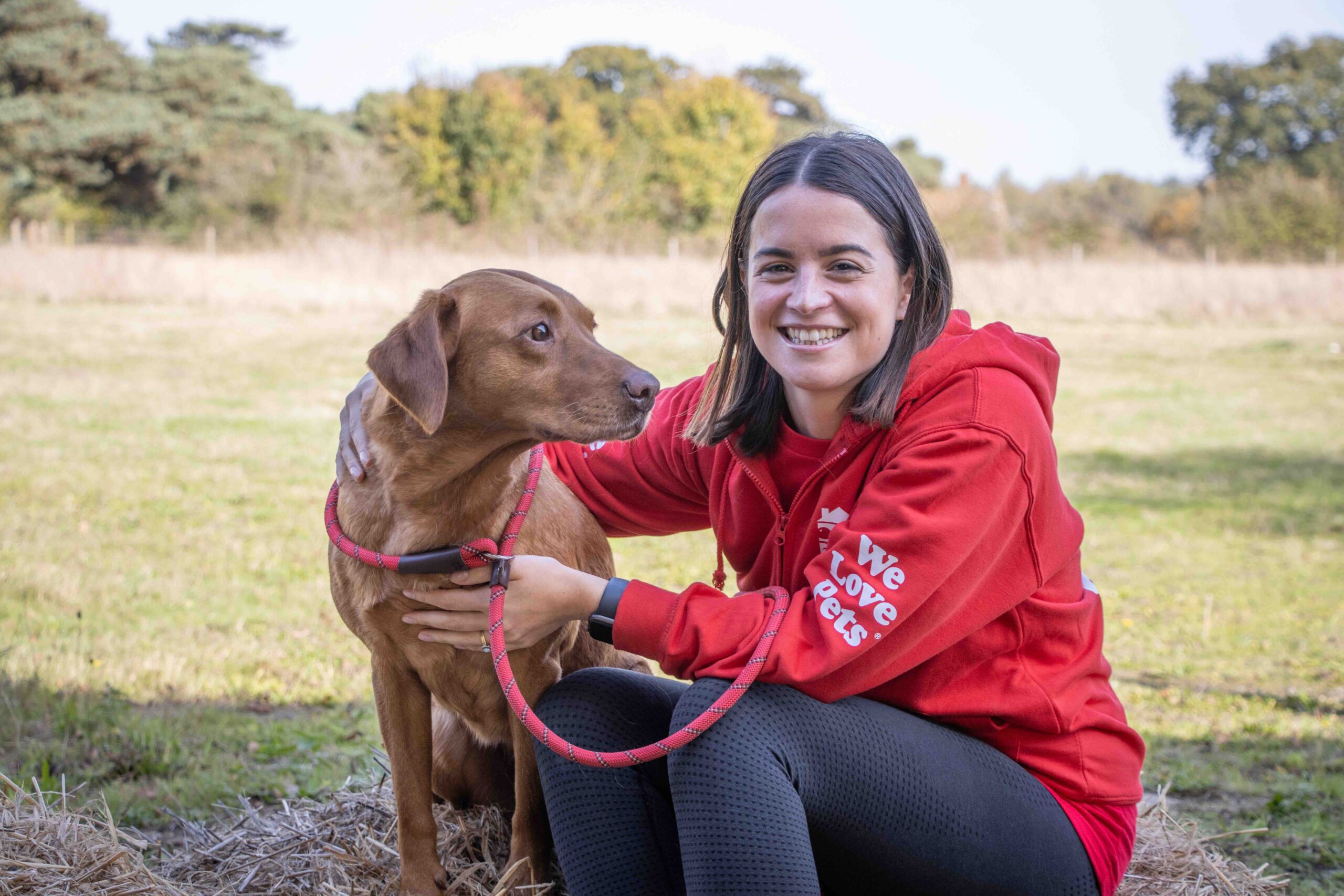
A local dog walker plays an important role in the daily life of many dog owners. In today’s busy world, people often struggle to balance work, family, and personal responsibilities while also meeting the physical and emotional needs of their pets. Dogs require regular exercise, mental stimulation, and social interaction to stay healthy and happy. This is where a local dog walker becomes an essential service, offering reliable, personalized care within the community.
What Is a Local Dog Walker?
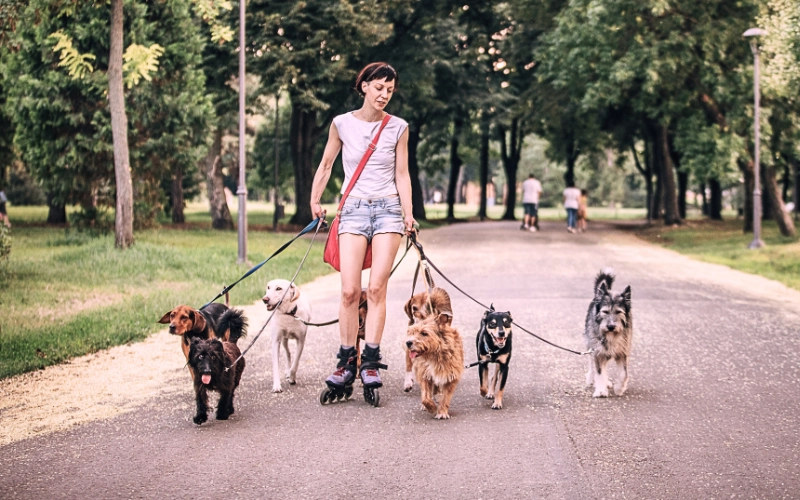
A local dog walker is a professional or independent service provider who offers dog walking services within a specific neighborhood or area. Unlike large pet care companies that may operate across multiple cities, a local dog walker typically focuses on a smaller region. This allows them to build strong relationships with both dogs and their owners.
Local dog walkers understand the environment, nearby parks, walking routes, and local regulations. They are familiar with the community and often rely on trust and word-of-mouth reputation. Because of this local connection, dog owners often feel more comfortable hiring someone who lives or works nearby.
Why Dogs Need Regular Walking
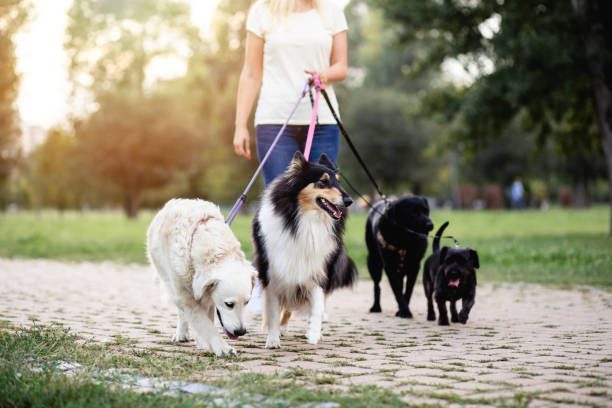
Dogs are active animals by nature. Regular walking is not just about bathroom breaks; it is essential for their physical and mental well-being.
Walking helps maintain a healthy weight, improves cardiovascular health, strengthens muscles, and supports joint mobility. Mental stimulation during walks, such as new smells and sights, reduces boredom and anxiety. Dogs that do not get enough exercise may develop behavioral problems like excessive barking, chewing, or aggression.
A local dog walker ensures that dogs receive consistent walks, even when owners are busy, sick, or away from home.
Benefits of Hiring a Local Dog Walker
Hiring a local dog walker offers many advantages for both dogs and their owners.
Personalized Care
A local dog walker usually works with fewer clients, allowing them to give personalized attention to each dog. They learn each dog’s personality, energy level, and preferences. This results in safer and more enjoyable walks.
Convenience and Reliability
Because they operate nearby, local dog walkers are more flexible with scheduling. They can often accommodate last-minute requests or changes. Travel time is shorter, which means fewer delays and more consistency.
Community Trust
Local dog walkers depend heavily on their reputation. They are more likely to provide dependable and honest service because their business grows through local recommendations.
Reduced Stress for Dogs
Dogs are more comfortable with familiar faces and surroundings. A local dog walker offers continuity, which helps dogs feel secure and relaxed during walks.
Types of Dog Walking Services Offered
Local dog walkers often provide a variety of services to meet different needs.
Individual Walks
One-on-one walks are ideal for dogs that need special attention, have behavioral issues, or prefer calm environments.
Group Walks
Group walks allow dogs to socialize with others. These walks are suitable for friendly and well-behaved dogs and help improve social skills.
Puppy Walks
Puppies need shorter, gentler walks and frequent bathroom breaks. A local dog walker can tailor walks to suit a puppy’s age and energy level.
Senior Dog Walks
Older dogs may require slower-paced walks with extra care. Local dog walkers understand how to adapt routines for senior pets.
Qualities of a Good Local Dog Walker
Choosing the right local dog walker is essential. A professional dog walker should have certain qualities that ensure safety and quality care.
Experience and Knowledge
A good local dog walker understands dog behavior, body language, and basic training principles. Experience helps them handle unexpected situations calmly.
Reliability and Punctuality
Consistency is important for dogs. A reliable dog walker arrives on time and follows the agreed schedule.
Physical Fitness
Dog walking requires stamina and strength, especially when handling energetic or large breeds.
Patience and Compassion
Dogs respond best to kindness and patience. A compassionate dog walker builds trust with each dog.
Safety Awareness
A responsible local dog walker prioritizes safety by using proper leashes, avoiding dangerous areas, and following local rules.
How a Local Dog Walker Improves Dog Behavior
Regular walks with a professional dog walker can significantly improve a dog’s behavior. Exercise helps release excess energy, making dogs calmer at home. Structured walks teach dogs discipline, such as walking on a leash properly and responding to commands.
Dogs that walk regularly are less likely to develop anxiety-related behaviors. Exposure to different environments and controlled social interactions builds confidence and reduces fear.
Benefits for Dog Owners
Hiring a local dog walker is not only beneficial for dogs but also for owners.
Owners experience peace of mind knowing their pets are well cared for. They can focus on work or personal tasks without guilt or worry. For people with limited mobility or long working hours, a local dog walker provides essential support.
Additionally, professional dog walking can improve the bond between owners and pets. When dogs receive adequate exercise, they are more relaxed and affectionate at home.
Local Dog Walker vs. Dog Daycare
Many owners wonder whether a local dog walker or dog daycare is the better option. Both services have benefits, but they serve different purposes.
A local dog walker provides individualized attention and maintains a dog’s daily routine. This is ideal for dogs that prefer familiar environments or do not enjoy large groups.
Dog daycare offers extended socialization and supervised play but can be overwhelming for some dogs. A local dog walker is often the better choice for dogs that need calm, structured exercise.
How Often Should a Dog Be Walked?
The frequency of walks depends on the dog’s age, breed, and health.
Most adult dogs benefit from at least one or two walks per day. High-energy breeds may require more frequent or longer walks. Puppies and senior dogs may need shorter, more frequent walks.
A local dog walker can help determine the best walking schedule based on a dog’s specific needs.
Safety Practices Followed by Local Dog Walkers
Professional local dog walkers follow strict safety practices to protect dogs.
They use secure leashes and harnesses, carry waste bags, and avoid unsafe areas. Many dog walkers are trained in basic pet first aid and know how to respond to emergencies.
Weather conditions are also considered. Walks are adjusted during extreme heat, cold, or rain to ensure the dog’s comfort and safety.
Building a Relationship with a Local Dog Walker
A strong relationship between the dog owner, the dog, and the local dog walker is important. Open communication helps ensure that expectations are clear.
Owners should share information about the dog’s habits, medical conditions, and preferences. Regular feedback helps improve the service and ensures the dog’s happiness.
Over time, dogs often develop a close bond with their local dog walker, which makes walks more enjoyable and stress-free.
The Growing Demand for Local Dog Walkers
As more people adopt dogs and work longer hours, the demand for local dog walkers continues to grow. Urban living, smaller homes, and busy schedules make professional dog walking services increasingly valuable.
Local dog walkers contribute positively to communities by promoting responsible pet ownership and improving animal welfare.
Conclusion
A local dog walker is more than just someone who takes dogs for a walk. They are a trusted partner in maintaining a dog’s physical health, mental well-being, and overall happiness. By offering personalized care, reliability, and community-based service, local dog walkers provide immense value to both dogs and their owners.
Choosing a local dog walker ensures that dogs receive the attention, exercise, and care they deserve, even when life becomes busy. For any dog owner seeking balance, peace of mind, and a healthier pet, a local dog walker is an excellent and worthwhile solution.
