

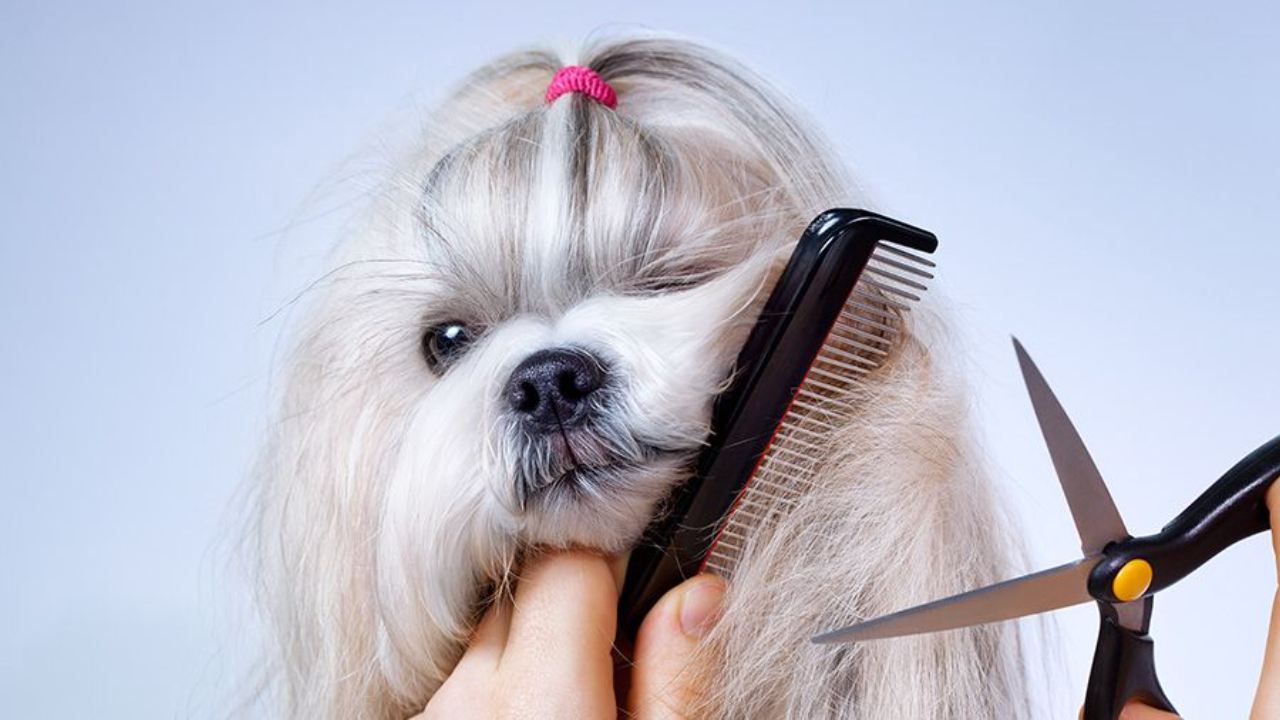
A pet haircut is more than just a grooming trend; it’s an essential part of maintaining your pet’s health, comfort, and overall well-being. Whether you have a dog, cat, or another furry companion, regular haircuts can prevent common issues such as matting, skin infections, and overheating. In this article, we will explore everything you need to know about pet haircuts, including benefits, styles, tips, and safety considerations.
Pets with long or thick fur often require haircuts to stay healthy. Without regular grooming, hair can become tangled, matted, and uncomfortable. Matted fur can pull at your pet’s skin, causing pain and even leading to infections. For certain breeds, such as Poodles, Shih Tzus, and Persians, haircuts are a routine necessity rather than an occasional luxury.
Additionally, haircuts can help regulate your pet’s body temperature. During hot months, trimming excess fur allows pets to cool down more efficiently, preventing heatstroke or discomfort. Similarly, in humid environments, a well-groomed coat reduces the risk of skin irritations caused by trapped moisture.
Health Benefits of Regular Haircuts
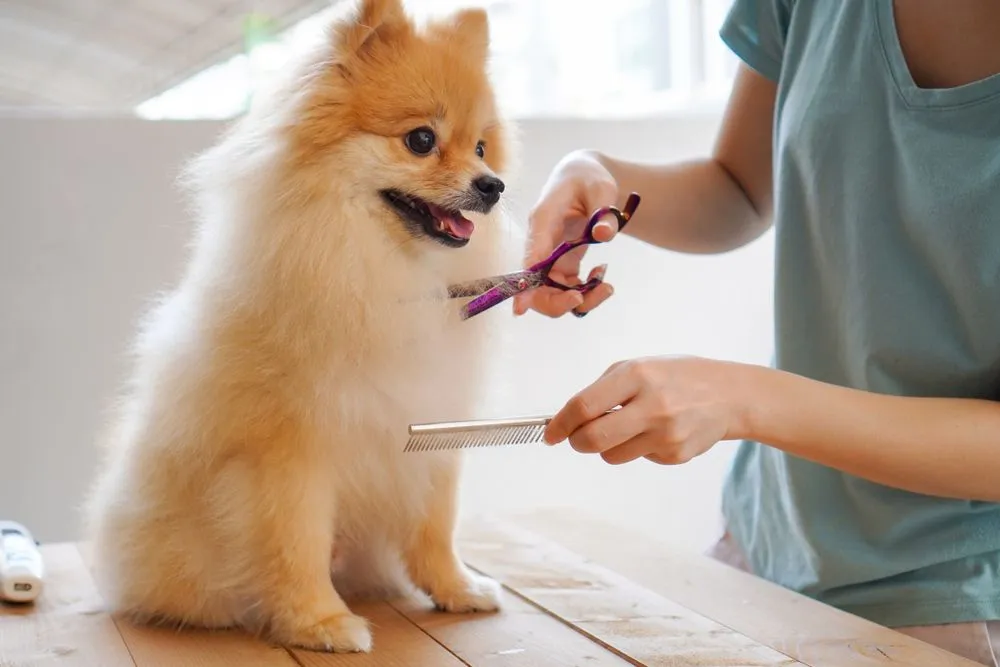
- Skin Health: Long hair can hide skin problems such as rashes, ticks, or wounds. Regular haircuts make it easier to spot these issues early, allowing timely treatment.
- Hygiene: Haircuts reduce the accumulation of dirt, dust, and allergens in your pet’s coat. This not only keeps your pet cleaner but also reduces shedding around your home.
- Comfort: Pets with heavy or thick fur may feel uncomfortable or restricted. Haircuts improve mobility and comfort, especially for older pets or those with joint issues.
- Preventing Parasites: Shorter hair makes it easier to detect fleas, ticks, and other pests. It also prevents them from hiding in thick fur, making treatment more effective.
Popular Pet Haircut Styles
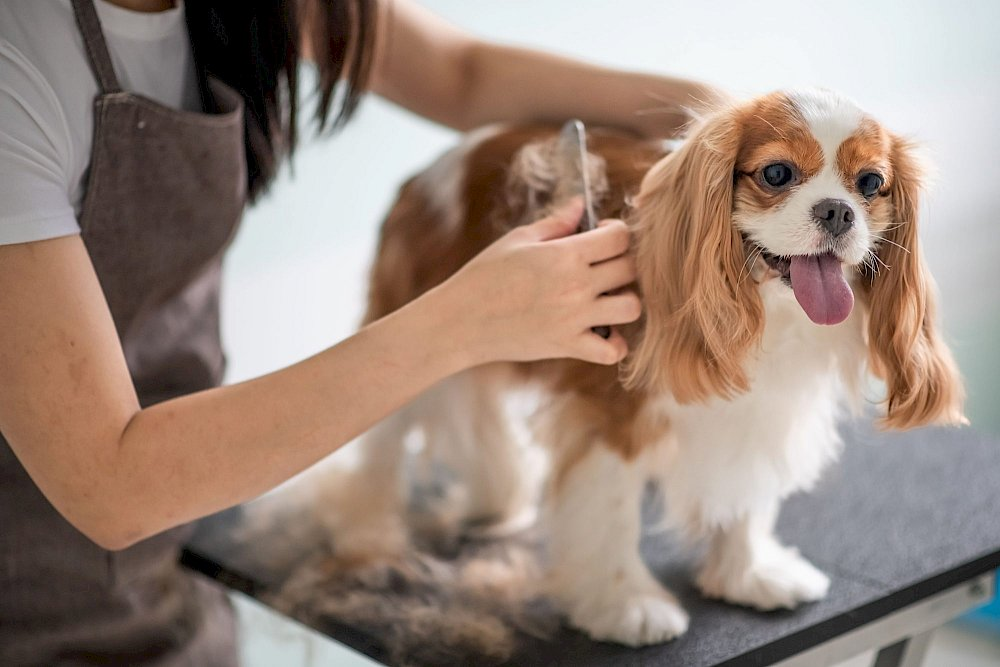
Pet haircuts vary depending on breed, hair type, and owner preference. Some common styles include:
- Puppy Cut: This style trims the fur evenly across the body, giving pets a youthful and tidy appearance. It’s low-maintenance and works for many breeds.
- Lion Cut: Popular among long-haired cats and certain dog breeds, the lion cut leaves fur around the head, neck, and tail while trimming the rest of the body short.
- Teddy Bear Cut: This cut is ideal for breeds like Shih Tzus and Poodles. It creates a rounded, fluffy look reminiscent of a teddy bear.
- Top Knot and Face Trim: Often used for decorative purposes, this cut focuses on trimming the face and tying up longer hair on the head.
- Breed-Specific Cuts: Some breeds require specific haircuts to meet show standards or maintain traditional grooming aesthetics.
How Often Should Pets Get Haircuts?
The frequency of haircuts depends on the breed, hair type, and activity level of your pet. Generally:
- Long-haired breeds may need haircuts every 4–6 weeks to prevent matting.
- Medium-haired pets can usually go 6–8 weeks between trims.
- Short-haired pets rarely need haircuts but benefit from occasional trims to remove uneven patches or maintain cleanliness.
Pets with sensitive skin or medical conditions may require specialized grooming schedules recommended by veterinarians or professional groomers.
At-Home vs. Professional Haircuts
While some pet owners prefer taking their pets to professional groomers, others may choose to cut their pet’s hair at home. Each approach has advantages and considerations:
Professional Haircuts
- Expertise: Groomers are trained to handle different breeds, coat types, and temperaments.
- Safety: Professionals know how to avoid injuries from clippers, scissors, or mat removal.
- Equipment: Groomers use high-quality tools designed for pet haircuts, resulting in a polished look.
At-Home Haircuts
- Cost-effective: Cutting your pet’s hair at home saves money on grooming fees.
- Convenience: You can groom your pet on your schedule without traveling.
- Bonding: Regular grooming sessions strengthen the bond between pet and owner.
However, at-home grooming requires patience, practice, and proper equipment. Beginners should start with small trims and gradually work up to full haircuts.
Essential Grooming Tools
For safe and effective haircuts, you need the right tools:
- Clippers: Electric clippers with adjustable guards are ideal for trimming large areas.
- Scissors: Rounded-tip scissors are safer for delicate areas such as the face, paws, and tail.
- Combs and Brushes: Regular brushing prevents tangles and distributes natural oils for a healthy coat.
- Nail Clippers: Haircuts often go hand-in-hand with nail trimming to maintain overall hygiene.
- Shampoo and Conditioner: Clean fur before cutting to reduce tangles and ensure an even trim.
Preparing Your Pet for a Haircut
Preparation is crucial to ensure your pet’s comfort and safety:
- Brush Thoroughly: Remove knots and mats before cutting to prevent pulling on your pet’s skin.
- Calm Environment: Choose a quiet space to reduce stress. Some pets respond well to soothing music or treats.
- Check Health: Examine your pet’s skin for cuts, rashes, or parasites before grooming.
- Use Proper Restraint: Secure your pet gently using a grooming table or non-slip mat. Never force a pet to stay still aggressively.
Safety Tips During Haircuts
- Avoid cutting too close to the skin, especially around sensitive areas.
- Never shave pets completely unless necessary; fur provides protection from sunburn and temperature changes.
- Take breaks if your pet becomes anxious or restless.
- Monitor for signs of discomfort, bleeding, or irritation. Stop immediately if anything unusual occurs.
Common Mistakes to Avoid
- Skipping Brushing: Cutting tangled hair can be painful and cause uneven results.
- Using Human Clippers or Scissors: These tools are not designed for pet hair and can cause injuries.
- Over-bathing Before Cutting: Wet hair can appear longer or shorter than it actually is, leading to uneven cuts.
- Ignoring Breed Needs: Each breed has specific grooming requirements; ignoring them can damage the coat or affect appearance.
Caring for Your Pet After a Haircut
After a haircut, pets may feel sensitive or exposed, especially if they are used to longer fur. Help them adjust by:
- Avoiding harsh weather until the coat grows back.
- Brushing regularly to maintain smoothness and prevent mats.
- Using pet-safe moisturizers or conditioners for dry skin.
- Offering treats and praise to associate grooming with positive experiences.
Conclusion
A pet haircut is more than a cosmetic choice—it is an essential part of pet care. Regular haircuts promote hygiene, comfort, and health while allowing your pet to look stylish. Whether you choose professional grooming or at-home trims, understanding your pet’s coat type, grooming needs, and safety precautions is crucial. By investing time and care into your pet’s grooming routine, you ensure a happier, healthier, and more comfortable life for your furry friend.
Remember, a well-groomed pet is not only beautiful but also healthier and more comfortable, ready to enjoy life alongside you.
