

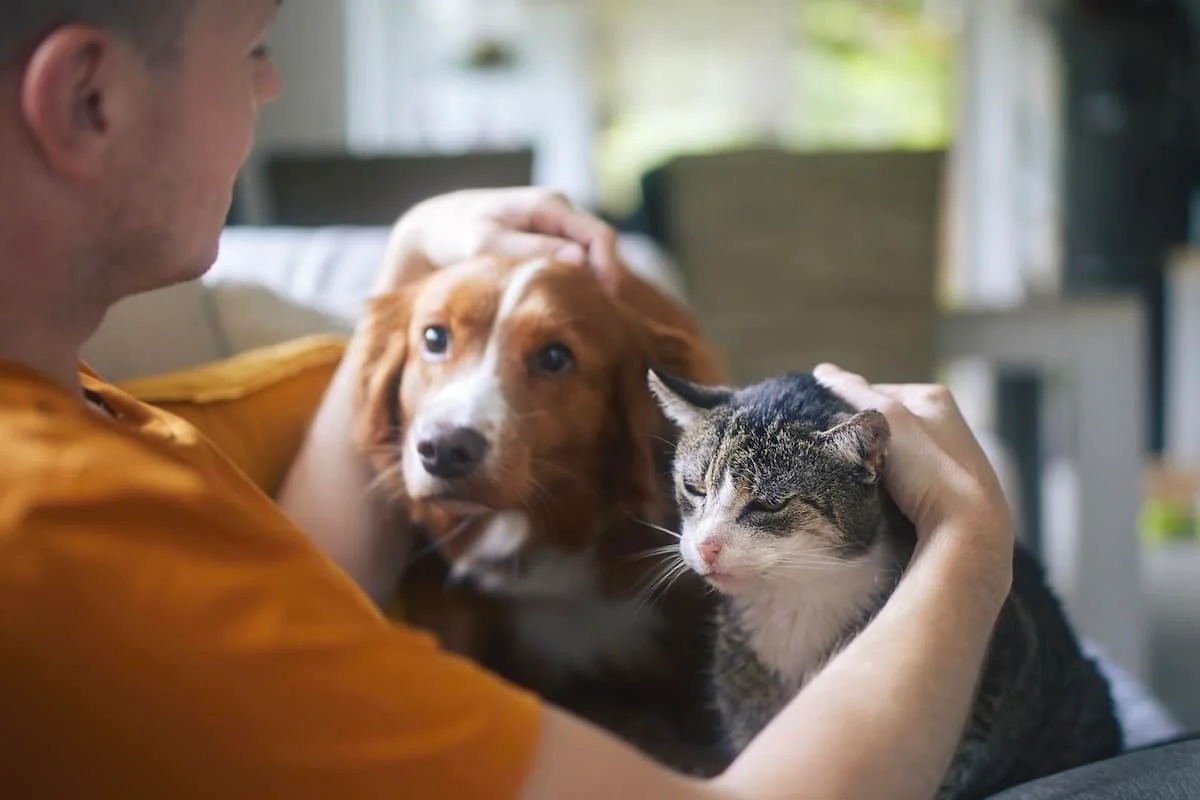
Pet sitting services have become an essential solution for modern pet owners who want reliable and compassionate care for their animals while they are away. Whether it is a short business trip, a family vacation, or a long work schedule, pet sitting services provide peace of mind by ensuring pets remain safe, healthy, and comfortable in a familiar environment. Unlike traditional boarding facilities, pet sitters offer personalized attention that matches the pet’s routine, diet, and emotional needs.
Pet sitting services involve a trained individual caring for pets in the owner’s home or, in some cases, the sitter’s home. These services can include feeding, walking, grooming, administering medication, cleaning litter boxes or cages, and providing companionship. The goal is to maintain the pet’s daily routine as closely as possible, reducing stress and anxiety during the owner’s absence.
Pet sitting services are not limited to cats and dogs. Many sitters care for birds, fish, reptiles, rabbits, and other small animals. This flexibility makes pet sitting an attractive option for households with multiple types of pets.
Growing Demand for Pet Sitting Services
The demand for pet sitting services has increased significantly in recent years. Busy lifestyles, frequent travel, and a growing awareness of animal welfare have encouraged pet owners to seek professional care. Many people now consider their pets as family members and prefer individualized care rather than crowded boarding kennels.
Urban areas, in particular, have seen rapid growth in pet sitting services due to apartment living and limited access to outdoor spaces. Pet owners want someone who understands their pet’s behavior and can provide daily exercise and attention.
Benefits of Pet Sitting Services
1. Comfort and Familiarity
One of the biggest advantages of pet sitting services is that pets remain in their own environment. Familiar surroundings help reduce stress, especially for older pets or animals with anxiety issues.
2. Personalized Care
Pet sitters follow the pet’s normal routine, including feeding times, walks, play sessions, and sleep schedules. This personalized approach is difficult to achieve in boarding facilities.
3. Health and Safety
Professional pet sitters are trained to recognize signs of illness or distress. Many can administer medications and follow specific dietary instructions, ensuring the pet’s health is not compromised.
4. Reduced Risk of Illness
Unlike boarding facilities where animals interact closely, pet sitting services minimize exposure to contagious diseases.
5. Home Security
Pet sitters often bring added benefits such as collecting mail, watering plants, and checking the house, which enhances home security while the owner is away.
Types of Pet Sitting Services
In-Home Pet Sitting
This is the most common form of pet sitting. The sitter visits the owner’s home one or more times a day or stays overnight, depending on the pet’s needs.
Live-In Pet Sitting
For pets that require constant supervision, a live-in pet sitter stays at the home for the entire duration of the owner’s absence.
Pet Sitting at the Sitter’s Home
Some sitters offer care at their own residence. This option works well for pets that are comfortable in new environments and enjoy social interaction.
Specialized Pet Sitting
Certain pets, such as exotic animals or pets with medical conditions, require specialized care. Experienced sitters offer tailored services to meet these unique needs.
Pet Sitting Services vs. Boarding Kennels
Pet sitting services differ significantly from boarding kennels. Boarding facilities typically house multiple animals at once, which can lead to stress, noise, and limited personal attention. While kennels may be suitable for some pets, others struggle in such environments.
Pet sitting services offer a quieter, more controlled experience. Pets receive one-on-one care, maintain their routines, and avoid the anxiety associated with unfamiliar settings. For many pet owners, this makes pet sitting services the preferred choice.
Choosing the Right Pet Sitting Service
Selecting the right pet sitting service is crucial for your pet’s well-being. Pet owners should consider experience, training, and reliability when making a decision. A professional pet sitter should have knowledge of animal behavior, emergency procedures, and basic pet first aid.
It is also important to communicate clearly about the pet’s needs, habits, and preferences. Detailed instructions help ensure consistent care and reduce misunderstandings.
Responsibilities of a Professional Pet Sitter
A professional pet sitter’s responsibilities go beyond basic feeding and walking. These duties may include:
- Monitoring the pet’s health and behavior
- Providing companionship and playtime
- Administering medications if required
- Cleaning pet areas and maintaining hygiene
- Responding to emergencies calmly and efficiently
Pet sitters must also respect the owner’s home, maintain confidentiality, and follow agreed-upon schedules.
Emotional Benefits for Pets
Pets are highly sensitive to changes in their environment and routine. Pet sitting services help maintain emotional stability by providing familiar interactions and consistent care. Regular play, affection, and companionship prevent loneliness and boredom, which can lead to destructive behavior or depression.
For pets that form strong bonds with their owners, having a dedicated sitter helps ease separation anxiety and provides reassurance.
Cost of Pet Sitting Services
The cost of pet sitting services varies depending on location, duration, number of pets, and type of service. While pet sitting may be more expensive than basic boarding, many owners consider it a worthwhile investment due to the quality of care provided.
Some sitters offer customizable packages, allowing pet owners to choose services that fit their budget and their pet’s needs.
Technology and Pet Sitting Services
Modern pet sitting services often use technology to improve communication and transparency. Updates, photos, and daily reports help owners stay connected with their pets while they are away. This reassurance strengthens trust and confidence in the service.
Scheduling and communication tools have also made it easier for pet owners to arrange services quickly and efficiently.
Pet Sitting Services for Special Needs Pets
Pets with medical conditions, disabilities, or advanced age require extra attention. Professional pet sitters trained in special needs care can manage medications, mobility assistance, and dietary restrictions.
This specialized care ensures that vulnerable pets receive proper attention without the stress of relocation or unfamiliar environments.
Environmental and Lifestyle Impact
Pet sitting services support a more humane and ethical approach to animal care. By reducing reliance on large-scale boarding facilities, pet sitting promotes individualized attention and responsible pet ownership.
Additionally, pet sitting allows owners to maintain their travel and work schedules without compromising their commitment to their pets.
The Future of Pet Sitting Services
As pet ownership continues to rise, the future of pet sitting services looks promising. Increased awareness of animal welfare and the emotional needs of pets will continue to drive demand. Professional standards, training programs, and certifications are also expected to expand, improving service quality across the industry.
Pet sitting services are evolving to meet the changing expectations of pet owners, offering more specialized and flexible options.
Conclusion
Pet sitting services provide a reliable, compassionate, and personalized solution for pet care when owners are away. By keeping pets in a familiar environment and maintaining their daily routines, these services reduce stress and promote emotional well-being. From basic care to specialized medical support, pet sitting services cater to a wide range of needs.
For pet owners who value their animal’s comfort, safety, and happiness, pet sitting services are an excellent choice. As the industry continues to grow, professional pet sitters will play an increasingly important role in supporting responsible and loving pet ownership.
