

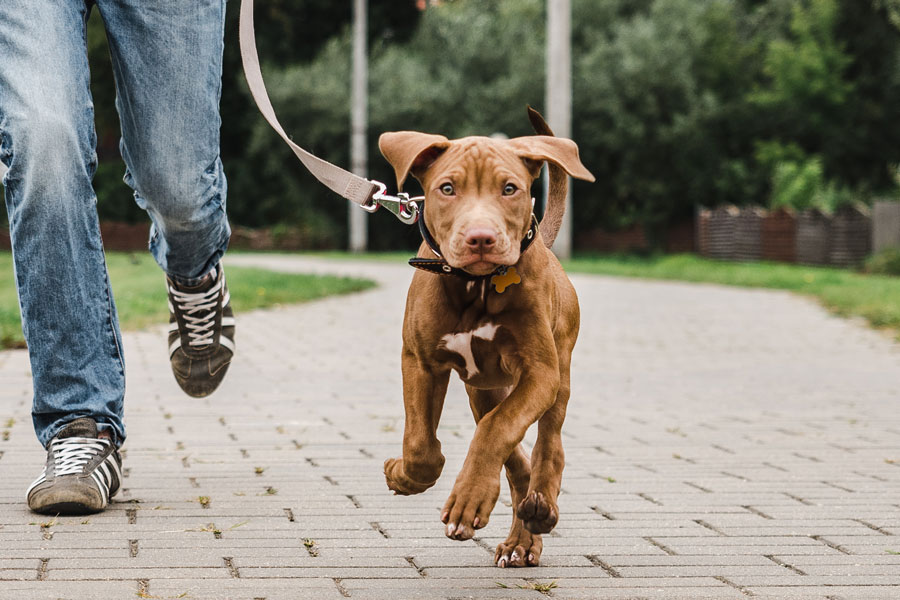
Pet walking is one of the most important daily activities for pet owners, especially for those who have dogs. It is not just about taking pets outside to relieve themselves; pet walking plays a vital role in maintaining physical health, mental well-being, and emotional balance for pets. In today’s busy lifestyle, many pet owners underestimate the importance of regular walks, but pet walking is essential for a happy and well-behaved pet.
Pet walking refers to the practice of taking pets, mainly dogs, outdoors for exercise, exploration, and social interaction. While dogs are the most common pets that require walking, other pets such as cats (with proper training), rabbits, and even miniature pigs can also benefit from controlled walks. Pet walking helps pets stay active and allows them to experience the world beyond their home environment.
Importance of Pet Walking for Physical Health

One of the biggest benefits of pet walking is improved physical health. Regular walking helps pets maintain a healthy weight and prevents obesity, which is a common problem among indoor pets. Obesity can lead to serious health issues such as diabetes, joint pain, heart disease, and reduced life expectancy.
Walking strengthens muscles, improves joint flexibility, and supports cardiovascular health. For puppies, pet walking helps in proper bone development, while for older pets, gentle walks keep their joints moving and reduce stiffness. Daily pet walking ensures that pets remain energetic and physically fit throughout their lives.
Mental Stimulation Through Pet Walking
Pet walking is not only about physical exercise; it also provides mental stimulation. When pets go outside, they encounter new smells, sounds, sights, and experiences. This mental engagement keeps their brains active and sharp.
Dogs, in particular, rely heavily on their sense of smell. During pet walking, sniffing different scents allows them to process information about their environment. This mental stimulation reduces boredom, anxiety, and destructive behaviors such as chewing furniture, excessive barking, or scratching.
Emotional Benefits of Pet Walking
Pet walking also has a strong emotional impact. Pets that are walked regularly tend to be calmer, happier, and more relaxed. Walking helps release pent-up energy, reducing stress and frustration.
For pets that suffer from separation anxiety, regular walks can help create a sense of routine and security. When pets know they will have daily walks, they feel more balanced and emotionally stable. This routine builds trust between the pet and the owner, strengthening their bond.
Socialization and Behavioral Improvement
Another key benefit of pet walking is socialization. When pets go for walks, they encounter other animals, people, and environments. This exposure helps them learn how to behave appropriately in different situations.
Proper pet walking reduces aggression and fear. Dogs that are regularly walked are less likely to react negatively to strangers or other animals. Social interaction during walks teaches pets patience, confidence, and better manners.
Pet Walking and Owner Health
Pet walking does not only benefit pets; it is also beneficial for pet owners. Walking is a simple yet effective form of exercise. Daily pet walking helps owners stay active, improve cardiovascular health, and reduce stress.
Many pet owners report feeling happier and more relaxed after walking their pets. The routine of pet walking encourages consistency, fresh air, and physical movement, which positively affects mental health. It also creates quality bonding time between pets and their owners.
How Often Should Pet Walking Be Done?
The frequency of pet walking depends on the type, breed, age, and health of the pet. Most dogs need at least one to two walks per day. High-energy breeds may require longer or more frequent walks, while smaller or older pets may need shorter and slower walks.
Puppies benefit from short and frequent walks, while senior pets need gentle walks that do not strain their joints. Consistency is more important than distance. Regular pet walking, even for short periods, is better than long but irregular walks.
Best Practices for Safe Pet Walking
Safety is an important aspect of pet walking. Pets should always be walked using proper equipment such as a leash, collar, or harness. A well-fitted harness is often more comfortable and reduces strain on the neck.
Owners should be aware of weather conditions. Hot pavement can burn paws, while extreme cold can be uncomfortable. Pet walking should be adjusted according to the season, time of day, and pet’s tolerance.
Hydration is also essential. Pets should have access to water before and after walks. Observing pets during walking helps identify signs of fatigue, overheating, or discomfort.
Training and Discipline During Pet Walking
Pet walking is an excellent opportunity for training. Teaching pets to walk calmly without pulling the leash improves control and safety. Basic commands such as sit, stop, and come can be practiced during walks.
Consistent pet walking routines help reinforce good behavior. Pets learn to follow their owner’s lead, improving discipline and obedience. Positive reinforcement, such as praise and treats, makes walking a pleasant experience for pets.
Professional Pet Walking Services
In modern lifestyles, many pet owners do not have enough time for daily pet walking. Professional pet walking services have become increasingly popular. These services ensure that pets receive proper exercise even when owners are busy.
Professional pet walkers are trained to handle pets safely and understand their needs. They can be especially helpful for high-energy pets or owners with limited mobility. However, it is important to choose a trustworthy and experienced pet walker.
Common Mistakes in Pet Walking
Despite good intentions, many owners make mistakes during pet walking. One common mistake is irregular walking schedules. Inconsistent walks can lead to behavioral issues and restlessness.
Another mistake is walking too fast or too long without considering the pet’s physical condition. Overexertion can cause injuries and fatigue. Ignoring training and allowing pulling or aggressive behavior can also create long-term problems.
Pet Walking for Different Types of Pets
While dogs are the most common pets that require walking, other pets can also benefit. Some cats enjoy walking with a harness, which provides mental stimulation and exercise. Small animals like rabbits can enjoy supervised outdoor walks in safe environments.
Understanding the specific needs of each pet is essential. Not all pets require the same type of walking routine, but controlled outdoor activity can be beneficial for many animals.
The Role of Routine in Pet Walking
Routine is a key factor in successful pet walking. Pets thrive on consistency. Walking at the same time each day helps regulate their biological clock, digestion, and energy levels.
A consistent pet walking routine also helps owners stay committed. Over time, walking becomes a natural and enjoyable part of daily life rather than a chore.
Conclusion
Pet walking is a fundamental responsibility of pet ownership. It supports physical health, mental stimulation, emotional balance, and good behavior. Regular pet walking strengthens the bond between pets and their owners while improving overall quality of life.
Whether done personally or through professional services, pet walking should never be neglected. With proper care, safety, and consistency, pet walking becomes a rewarding experience for both pets and their owners. A well-walked pet is a healthy, happy, and well-behaved companion.
